Teinte
Discover Hue: Where Imperial Heritage Meets River Life
Set along the peaceful Perfume River, Hue offers a glimpse into Vietnam’s royal past while revealing a quieter, more contemplative side of the country. Once the imperial capital of the Nguyen Dynasty, the city remains shaped by its palaces, ancient gates, royal tombs and centuries-old traditions.
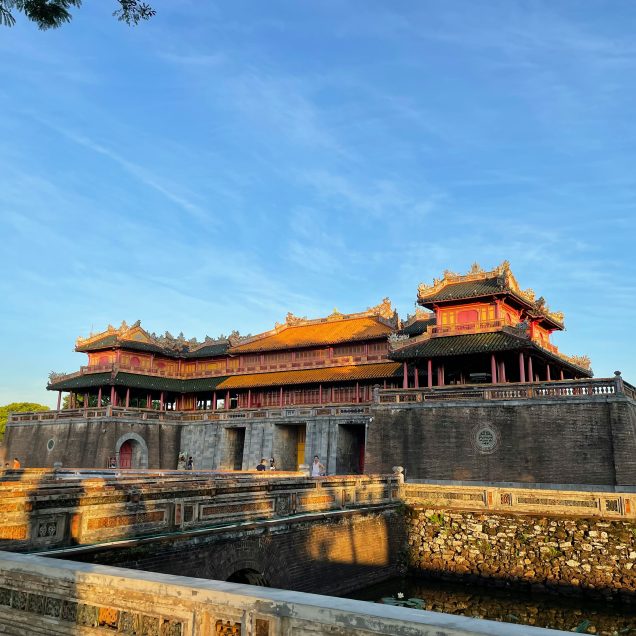
At the heart of Hue stands the Imperial City, surrounded by imposing walls and historic gateways that lead into a world of courtyards, temples and royal architecture. Beyond the citadel, the tombs of the Nguyen emperors are scattered among pine-covered hills and peaceful gardens, each reflecting the personality and vision of the ruler who commissioned it.
Yet Hue is not only a city of monuments. Cruise along the Perfume River, visit tranquil pagodas, discover traditional gardens and explore the flavours of a cuisine deeply connected to the former royal court. Beyond the city, villages and rural landscapes offer another perspective on life in Central Vietnam.
For travellers drawn to history, culture, architecture and slower-paced experiences, Hue offers a journey into a fascinating chapter of Vietnam’s past while remaining deeply connected to its present.
Sites touristiques
Carte
Informations
Places to Discover in Hue
The Imperial City
At the heart of Hue stands the Imperial City, the centre of the Nguyen Dynasty’s imperial capital. Enter through its historic gateways and explore courtyards, temples, palaces and gardens enclosed within the vast citadel. The Forbidden Purple City, once reserved for the imperial family and court, offers a fascinating glimpse into the world of Vietnam’s last royal dynasty.
The Royal Tombs
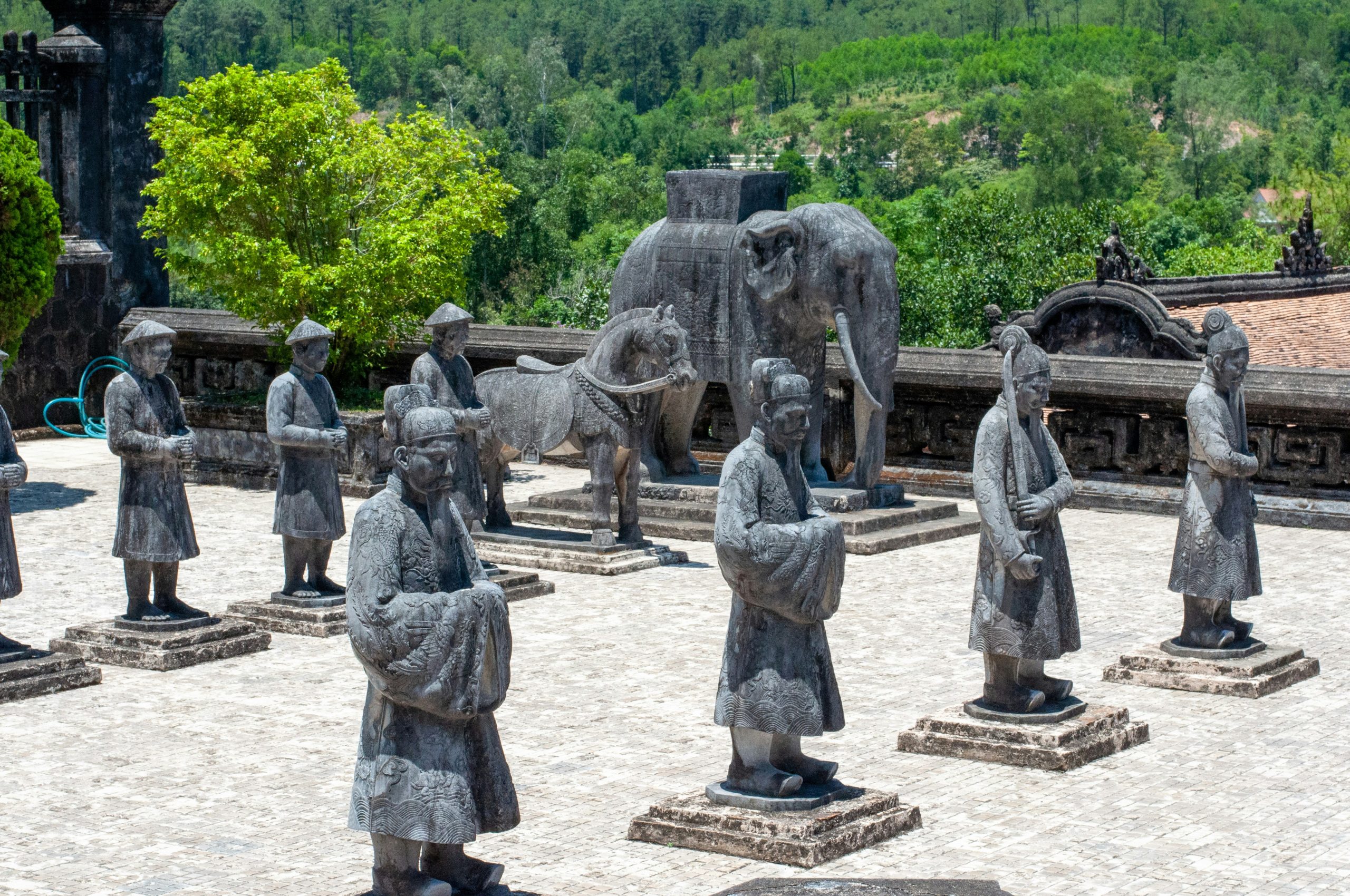
Beyond the city, the tombs of the Nguyen emperors lie among pine-covered hills, forests and peaceful gardens. Each complex was carefully designed according to the personality and vision of the emperor it commemorates. Minh Mang, Tu Duc and Khai Dinh are among the most remarkable, offering very different perspectives on imperial architecture and Vietnamese history.
Thien Mu Pagoda & the Perfume River
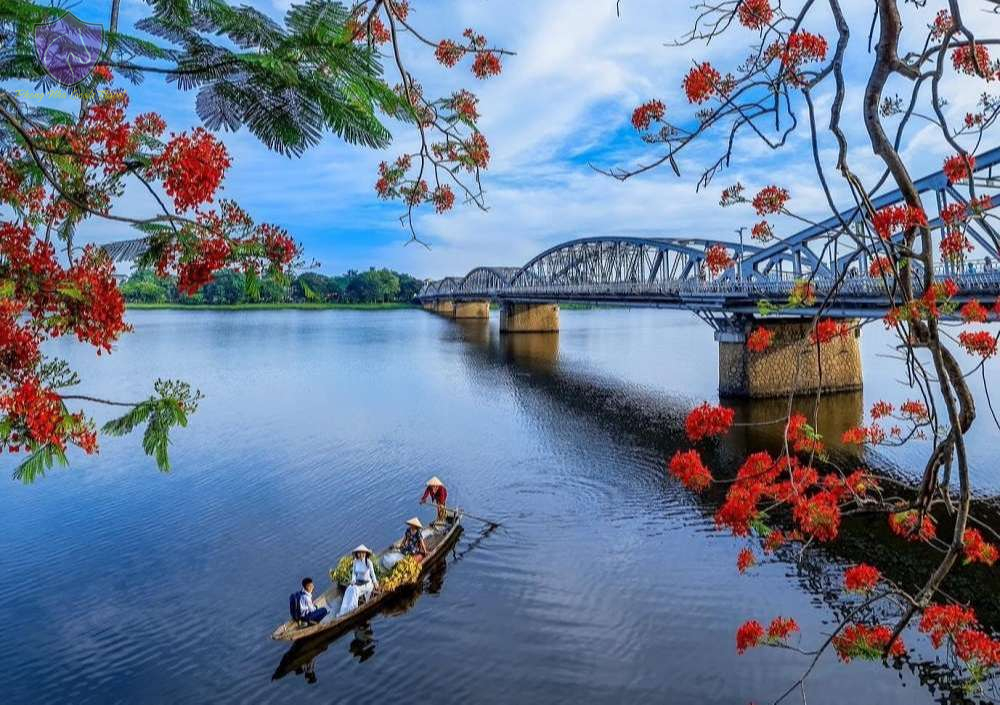
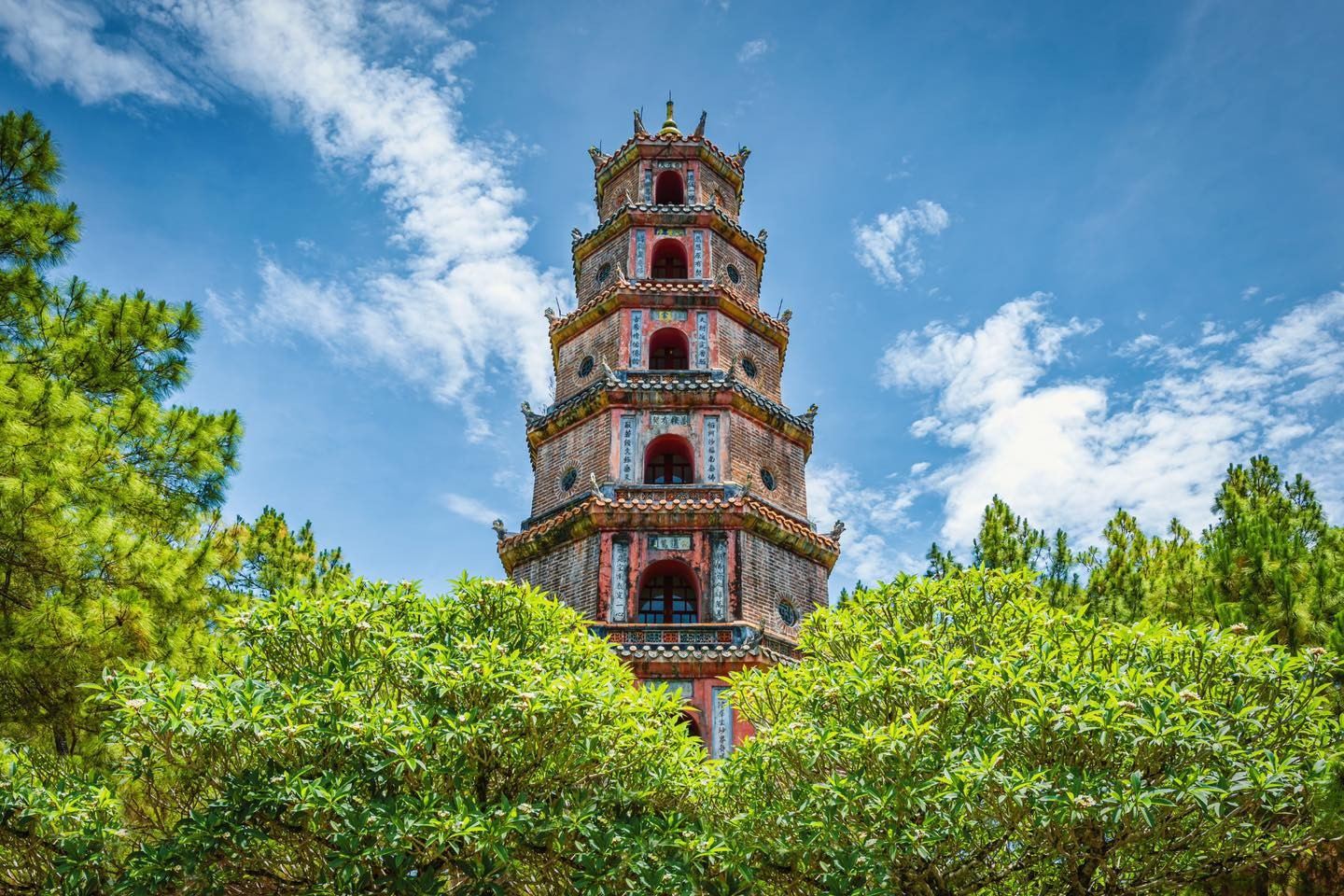
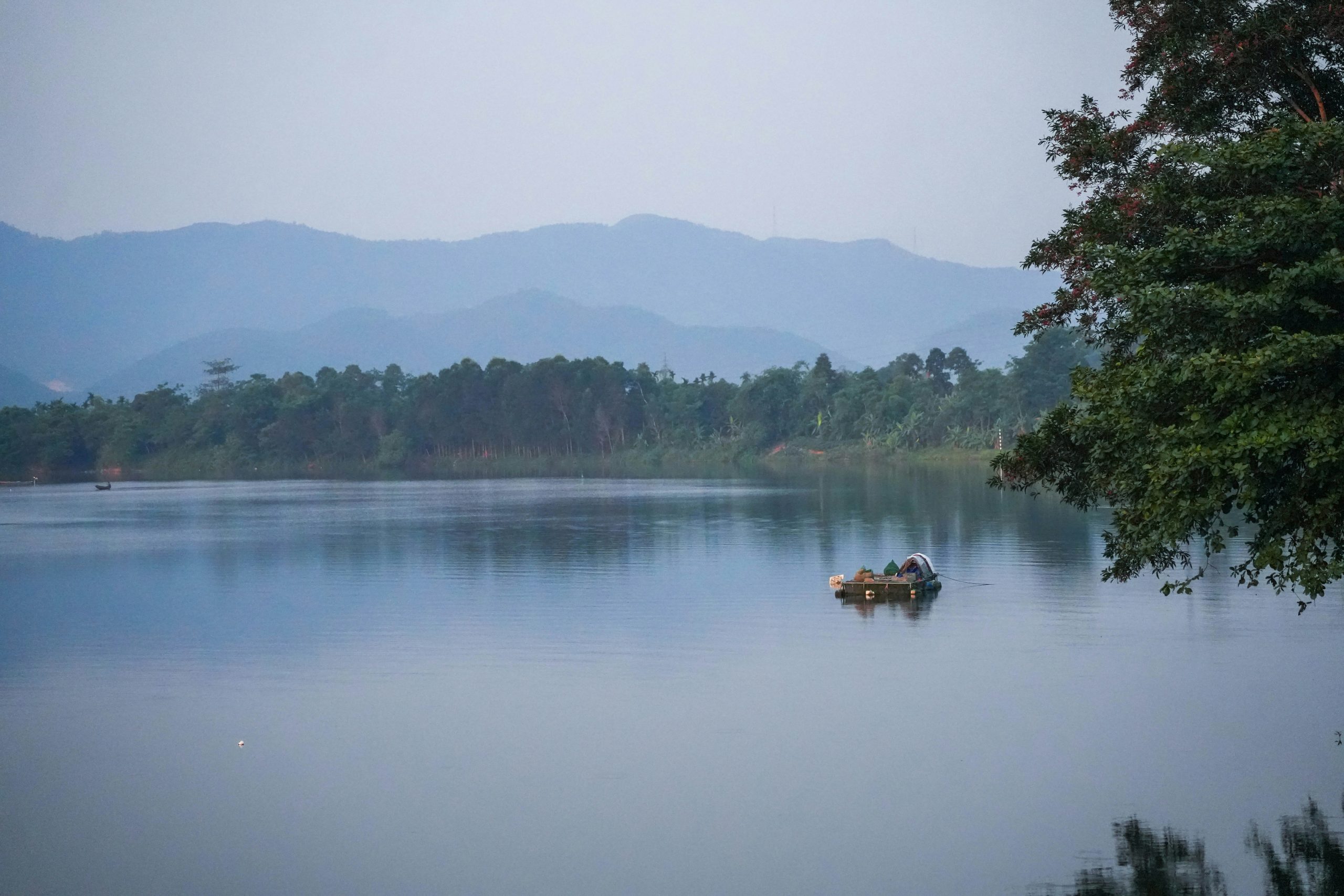
Standing above the Perfume River, Thien Mu Pagoda is one of Hue’s most recognisable landmarks. Its seven-storey tower has become a symbol of the city, while the surrounding temple grounds offer a peaceful place to experience Hue’s spiritual heritage. A boat journey along the Perfume River provides another perspective, passing temples, gardens and rural landscapes along the way.
Dong Ba Market & Local Life
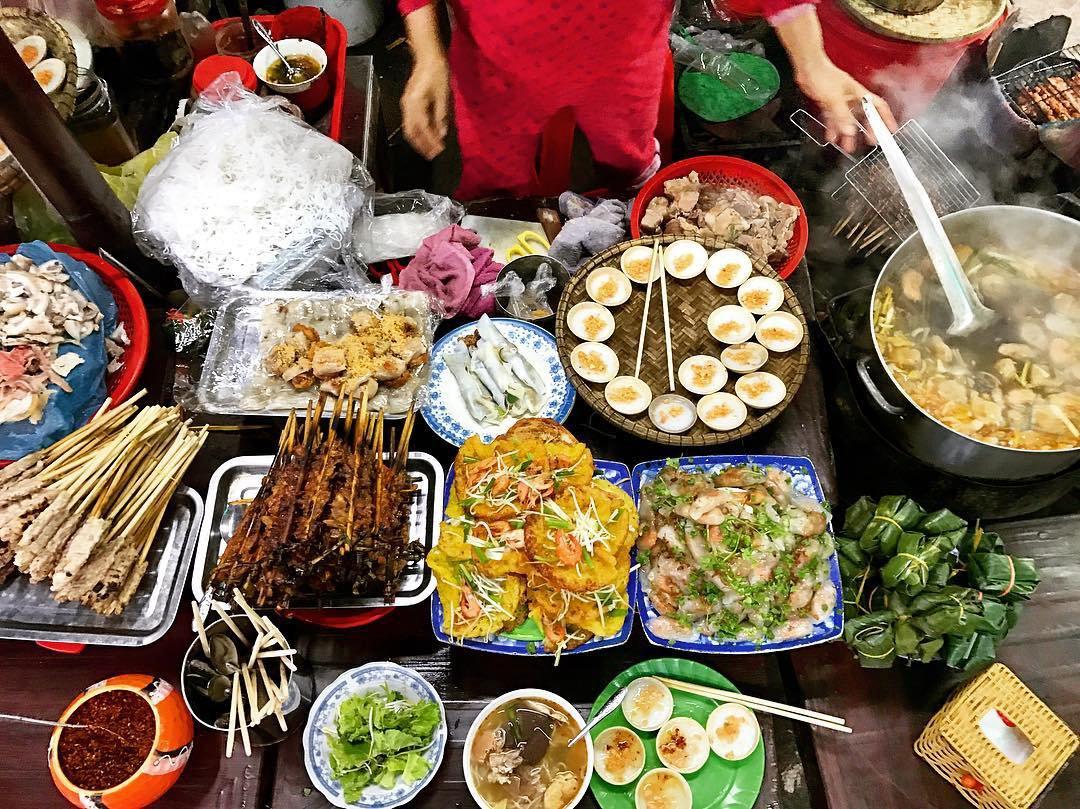
For a glimpse into everyday Hue, explore Dong Ba Market, where locals shop for fresh produce, spices, fabrics, handicrafts and traditional foods. The market is also an excellent place to discover Hue’s distinctive cuisine, from delicate steamed rice cakes to Bún Bò Huế and other regional specialities.
Hue’s Gardens & Countryside
Away from the monuments, Hue reveals a quieter side through its traditional garden houses, villages and surrounding countryside. Cycle through rural landscapes, visit local communities or discover the elegant garden houses that reflect the city’s long connection with nature, architecture and contemplation.
Hue’s Culinary Heritage
Hue’s cuisine is deeply connected to its imperial past. Royal culinary traditions evolved into an exceptionally refined style of cooking, while local street food remains wonderfully accessible and full of flavour. Discover specialities such as Bún Bò Huế, Bánh Bèo, Bánh Nậm, Bánh Lọc and Bánh Khoái, or explore the local food scene with a guide or cooking experience.
Thuan An Beach
For a change of pace, travel towards the coast to Thuan An Beach, where the Perfume River meets the sea. Its sandy shoreline and relaxed atmosphere make it a pleasant option for combining Hue’s cultural heritage with a little time by the water.
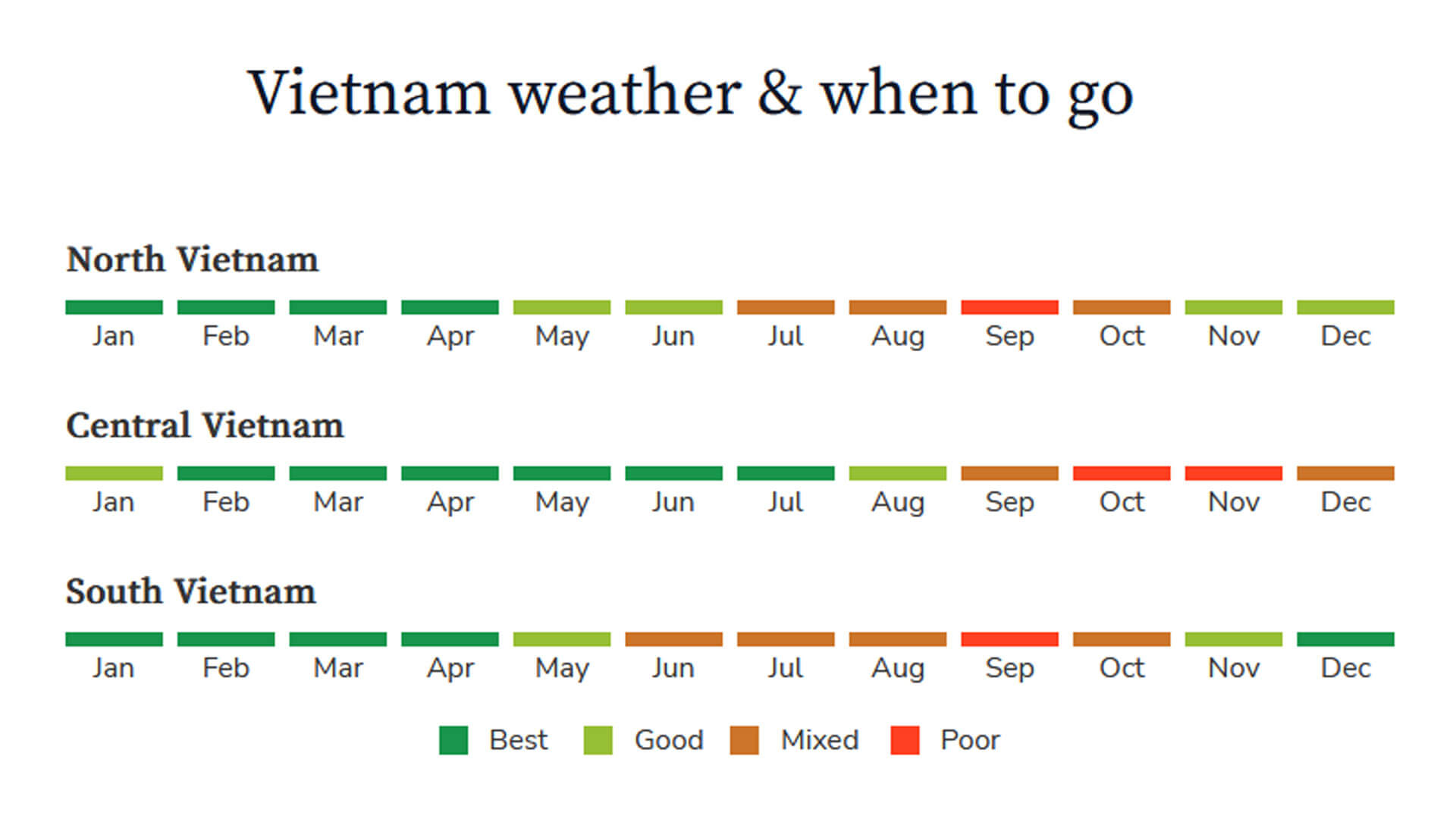
When to Travel
Hue can be visited throughout the year, although its weather varies considerably between seasons.
February to April generally offers warm temperatures and relatively comfortable conditions for exploring the Imperial City, royal tombs and surrounding countryside.
May to August is hotter and more humid, with long sunny periods that can be well suited to combining sightseeing with time at the coast. Early mornings and late afternoons are usually the most comfortable times for exploring.
September to January brings the wetter period, with rainfall becoming particularly frequent towards the end of the year. The city’s gardens and surrounding countryside become lush and atmospheric, although heavy rain can occasionally affect outdoor activities.
Hue has a distinctive atmosphere in every season, and the quieter months can be particularly rewarding for travellers who want to experience the city’s heritage at a slower pace.
Practical Information
Getting Around: Hue’s main historical sites can be explored by private vehicle, taxi, bicycle or on foot. Private transfers are particularly convenient for visiting the royal tombs and countryside, while boat trips along the Perfume River offer a more atmospheric way to travel.
Visiting Heritage Sites: Modest clothing is recommended when visiting temples, pagodas and other religious sites. Visitors should respect local customs and remove their shoes where requested.
Combining Hue with Other Destinations: Hue works particularly well as part of a Central Vietnam journey, with Da Nang, Hoi An and the Hai Van Pass easily incorporated into a tailor-made itinerary.